
Packages
JUNIORS
"The Edge" Package
Seniors
"A TO Z" Package
"It's Going To Be OK" Package
Single Application Review
transfers
Basic Consulting Package
Transfer Package
The Koppelman Group is dedicated to the success of its students.
“I couldn’t have imagined going through the college process without the assistance and guidance provided by the Koppelman Group. Caroline ensured that we understood every aspect of applications, and helped us to destress at a time when we could have been extremely overwhelmed. Throughout our time together, Caroline was always gracious with her advice, knowledgeable about the process itself, and willing and able to make sense of what seemed like utter chaos. I highly recommend the services of the Koppelman group.”
Ready to make an investment in your child's future success?
Latest Blog Articles
During the 2024–2025 admissions cycle, New York University had a 9.23% acceptance rate – its lowest ever. However, this one data point doesn’t tell the whole story. How is that figure calculated? What’s actually driving it lower? And, importantly, what does this mean for YOU? While NYU releases some headline admissions data, understanding what’s really going on requires a closer look. We break down this kind of data every year to help our students approach competitive admissions with clarity and strategy.
In 2025, Princeton received the largest number of applications in university history, and the overall acceptance rate for the Class of 2029 was only 4.4%. This continued a trend of a “sub 5%” acceptance rate at Princeton.
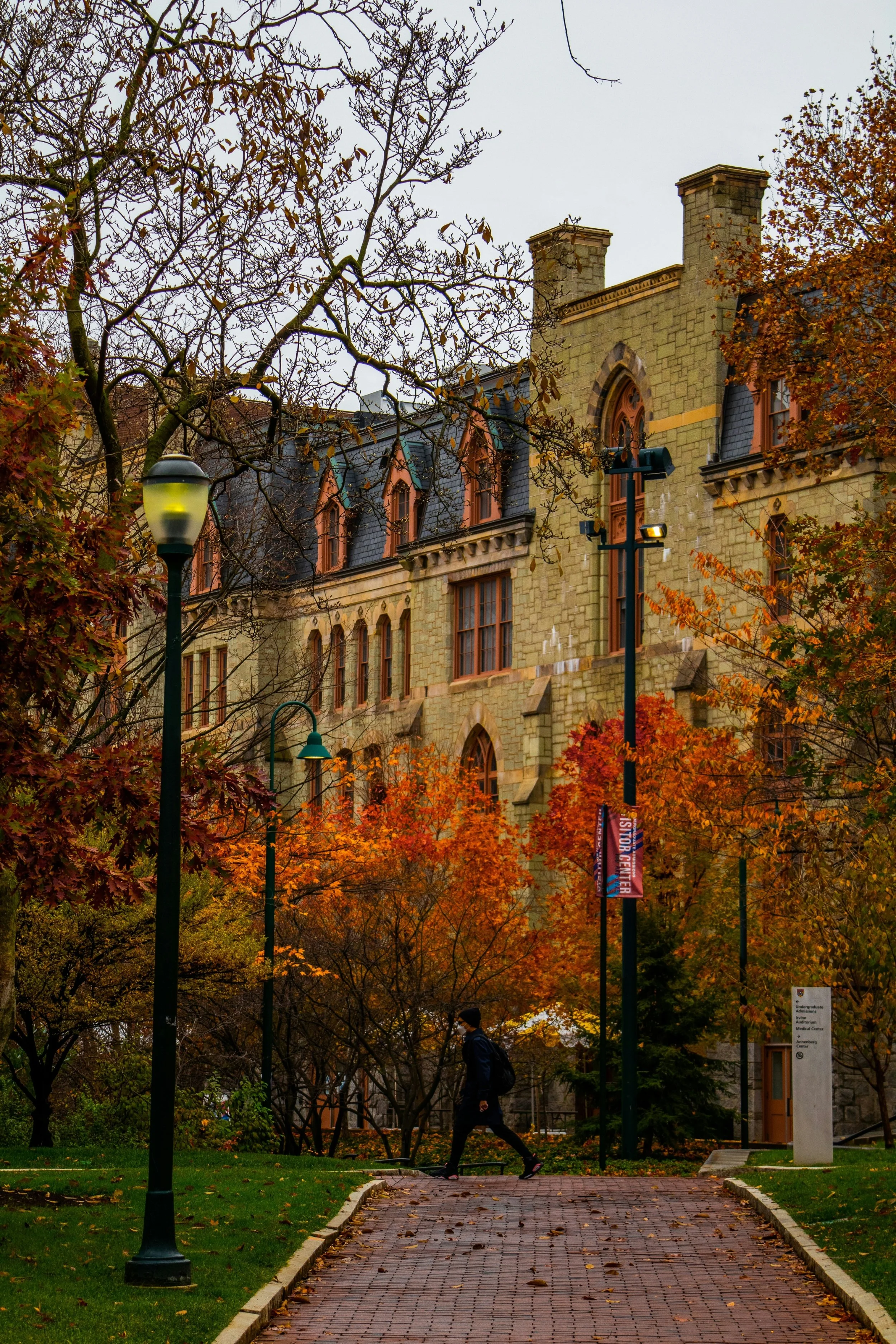
The University of Pennsylvania is a prestigious Ivy League university in Philadelphia with more than a few claims to fame. Penn received over 72,000 applications for the Class of 2029, and it was the hardest year ever to get into the university. The acceptance rate was only 4.9%. We expect the statistics to shake out about the same for the Class of 2030.
Yale is one of the most prestigious universities in the world, and one of the hardest to get into. If you recently received a waitlist decision, you know this personally. If we look at the past three years of historical data for the Yale waitlist, it shows us that the Yale waitlist pool is generally smaller than comparable schools. However, the number of students offered a spot off of the waitlist is also smaller — much smaller.
Brown is the “creative Ivy.” The other Ivy League schools might protest that label, but Brown’s open curriculum, location in Providence, Rhode Island, and interest in nurturing the creative sides of their students has made it a top choice for exceptional students who see the world through an artistic (although not necessarily artsy) lens. The overall acceptance rate for the Class of 2029 was under 6%.
In the 2024-2025 admissions cycle, Dartmouth boasted an acceptance rate of 5.4%, their lowest ever. But how did their acceptance rate get so low? Why did it get so low? And what makes a student a competitive (or not competitive) applicant? Thankfully, we dig into the data to give you a data-driven strategic approach to help you put your best foot forward.
Columbia College and the Fu School of Engineering and Applied Science at Columbia University are two of the most prestigious undergraduate colleges in the world, not only because they are also within the famed Ivy League. Admissions is extremely selective, as students seek out an outstanding education in the heart of New York City.The acceptance rate for the Class of 2029 was only 4.9%, yet was also the largest class of accepted students in University history. This was a slight (1%) increase over the Class of 2028 acceptance rate. What we can’t know is how many of those students — or how many students this year — were waitlisted.
Harvard is one of the most renowned universities in the world, and one of the hardest to get into in the United States. For the Class of 2029, the first year acceptance rate was only 4.2% out of nearly 50,000 applicants. The most impressive statistic isn’t the miniscule acceptance rate, though — it’s the yield. That same year, 83.6% of accepted students chose to attend. This acceptance rate far surpasses that of other top schools. When students get into Harvard, most often they decide to go to Harvard.
Northwestern is a fabulous and highly-respected research university in the Chicago area and nestled on the banks of Lake Michigan. As a large university with equally large resources, Northwestern has become a sought after destination for transfers who want a combination of community and opportunity. They welcome applications from students coming from 2-year and 4-year colleges, and successful applicants will have typically completed at least one full year of college before arriving at Northwestern. Unsurprisingly, the high demand for transfer also means that it isn’t easy to get in.
Cornell is the technical Ivy. Yes, you can study literature at Cornell, but what draws people to the university is more often how they can combine a liberal arts-y education with the best education in the business in fields like mechanical engineering, hard sciences, and arenas no other Ivy League schools touch, like hospitality, labor organizing, and agriculture. The research opportunities at Cornell are exceptional, and the acceptance rate is tiny. Overall, the Cornell acceptance rate is just over 5%. This is skewed, though, as some programs are more competitive to get into and others give preference to New York State applicants, pulling the acceptance rate upwards.